
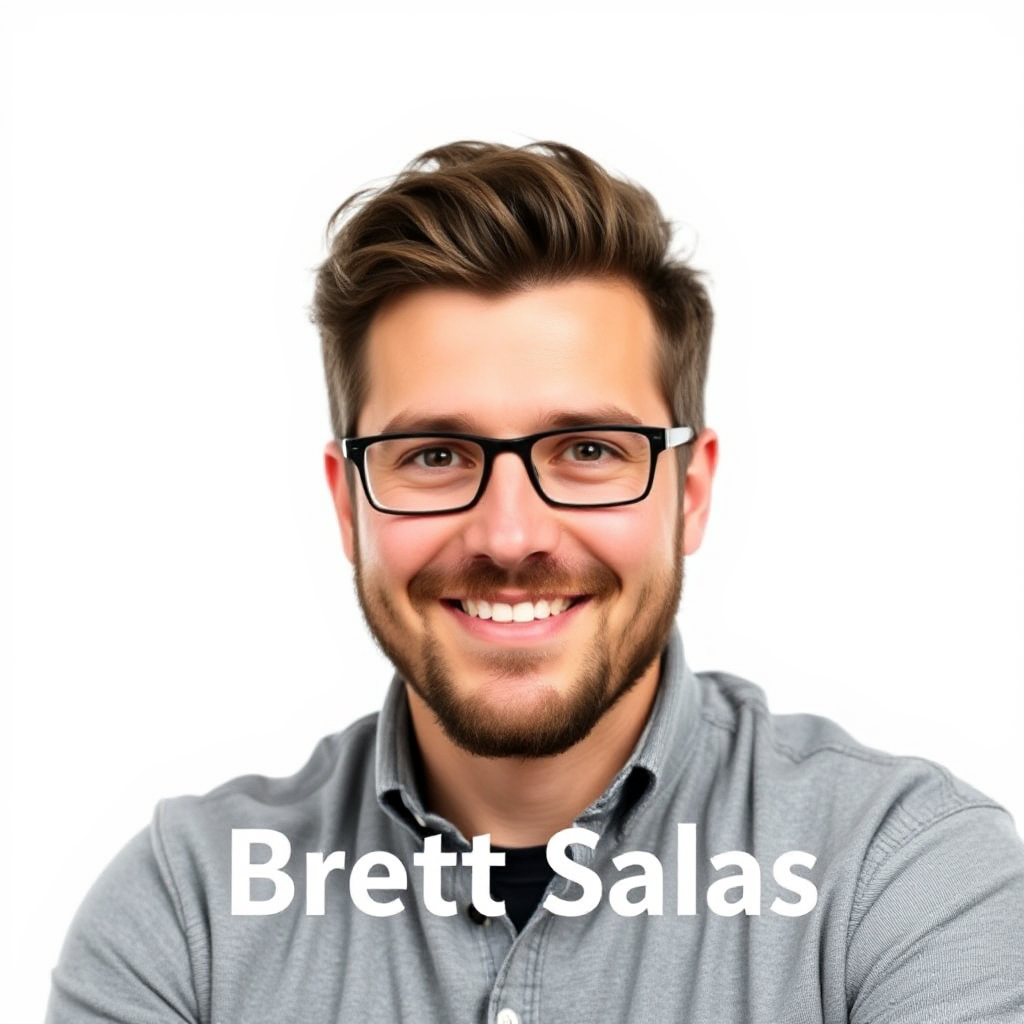

Ex- Google boss has been officially appointed as the BBC's incoming chief executive.
The previous head of Google's EMEA operations will replace the outgoing director general, who revealed his resignation in November in the wake of a storm over how a Panorama presented a speech by former President Trump.
The corporation's chairman Samir Shah stated that Brittin, who departed from Google in the previous year after 18 years, "offers the BBC considerable knowledge of leading a high-profile and sophisticated entity during a period of change".
The 57-year-old said he "can't wait to start this work", describing it as "a period of real challenge, yet also real possibility".
He added that the UK requires "a thriving BBC that benefits the public in a complicated, uncertain and rapidly evolving environment".
Outlining his vision, he said: "The BBC must have the speed and vigour to be both covering events, and where audiences are. To enhance the reach, reputation and production quality now, tackle challenges with courage, and succeed as a national institution fit for the future."
'Sweeping Change'
Shah called the new appointee "an exceptional manager" with "the attributes required to guide the organisation through the myriad shifts occurring in the media market and in viewer and listener preferences".
The BBC chief also commended his "enthusiasm for the BBC, his grasp of the issues confronting the institution, his allegiance to its impartiality and his resolve to uphold the BBC's standing as one of the UK's most important national assets".
The new director general arrives at "a crucial juncture", as the government assesses the BBC's royal charter, the chairman continued.
"There is no doubt there is a necessity for sweeping reform of the BBC, its financial structure and the framework in which it works. The stakes for the BBC, and the long-term viability of public service broadcasting, have never been more significant."

The BBC's top job is regarded to be one of the most demanding in the UK's media.
During his period as leader as the BBC's leader, he was faced with dealing with a series of controversies and difficult periods at the broadcaster.
His key tasks will encompass addressing a multi-billion dollar defamation lawsuit filed by the American leader against the BBC.
Trump is challenging the way the programme spliced two parts of a speech he gave on January 6th, for which the BBC has expressed regret.
Recently the broadcaster asked a court to throw out the lawsuit, saying the Panorama programme was not broadcast in the US.
BBC at a Turning Point
The incoming chief takes charge at a critical time for the BBC in several areas, too.
He will continue negotiations with the government on the broadcaster's constitution and the prospects of the funding mechanism and BBC funding.
The current charter, which sets out the conditions and aims of the BBC's role, will run out in the coming years.
His appointment also arrives at a time when the BBC is battling with large technology firms in the digital media landscape.
Google's parent company owns YouTube, with which the BBC recently announced a landmark partnership to develop bespoke content.
Corporate Experience a Bonus?
A number of figures at Google "are full of praise" about him, as an inspirational leader and a superb collaborator".
A number of observers have raised doubts about the BBC's choice of someone with a professional roots in tech rather than public service or conventional editorial knowledge.
However, it is reported that "the board selected him by the BBC Board for his insider knowledge of the digital sector. There's an anticipation he will accelerate the acceleration to digital, for example in journalism. He'll also probably focus on revamping and improving BBC iPlayer."
Former senior BBC journalist Peter Barron, who collaborated with him at Google, commented he is "deeply inspired by a sense of serving the public".
"He admires the BBC for its credible news and its originality, but he's also acutely mindful of its past as a innovation leader.
"His goal is for the BBC to prosper in a world where several of its greatest difficulties are related to technology, whether that's the influence of the streaming services, digital false information, or simply how people prefer to access media.
"Considering his experience and connections throughout the technology sector, and also the relationships he's developed with TV networks, the journalism sector, regulators and authorities, I think he's ideally suited to tackle the challenges."
Who is Matt Brittin?

Hailing in southern England, he obtained a qualification from the Cambridge University, while also competing in rowing for them in the Boat Race on three occasions.
He also rowed for Britain and won|secured|earned


